
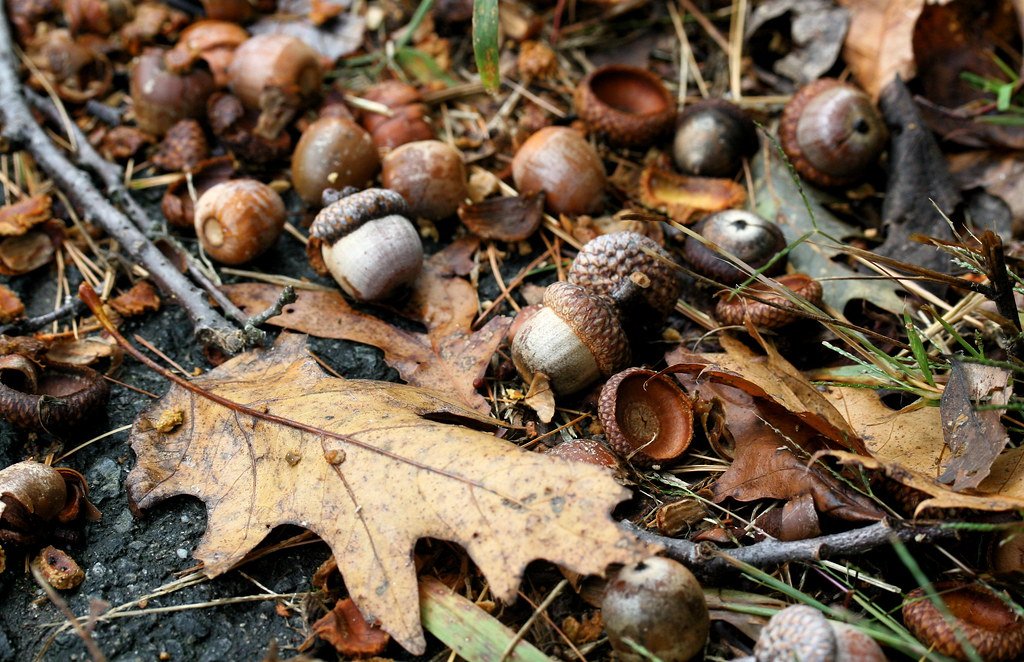
Dog Ate Acorns? Symptoms, Risks and What to Do
Acorns contain tannins that can upset a dog’s stomach and, in larger amounts, harm the kidneys or liver. Learn the symptoms and what to do if your dog ate acorns.
Acorns contain tannins that can upset a dog’s stomach and, in larger amounts, harm the kidneys or liver. Learn the symptoms and what to do if your dog ate acorns.
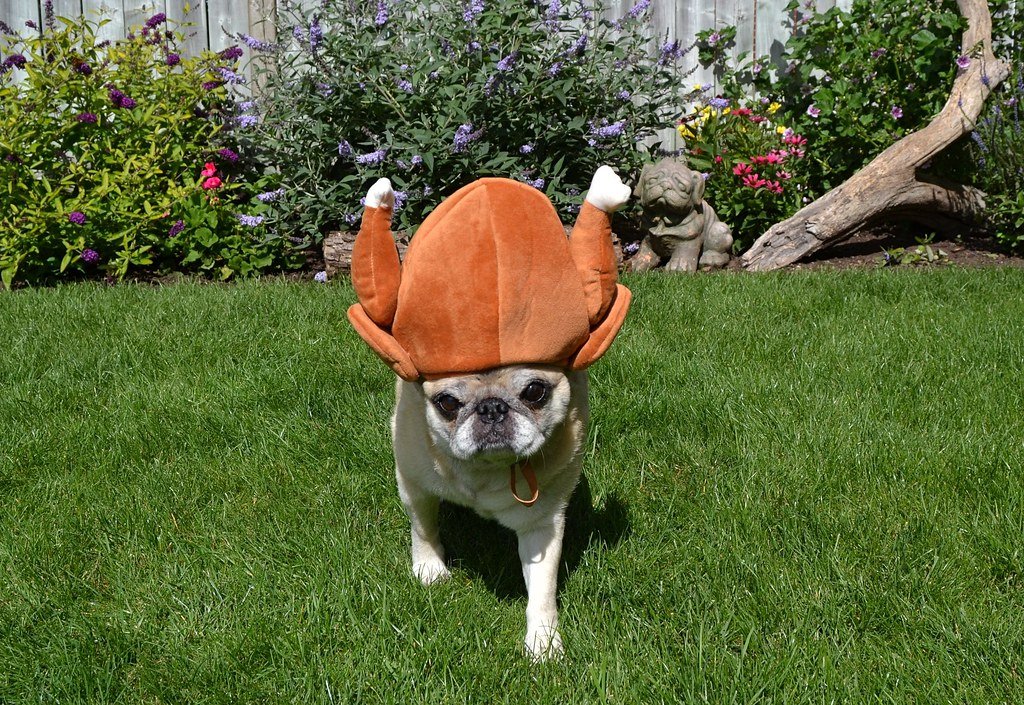
Dogs can eat a little plain, boneless, skinless cooked turkey. Here is what to skip (bones, skin, gravy, stuffing), how to share safely, and when to call your vet.
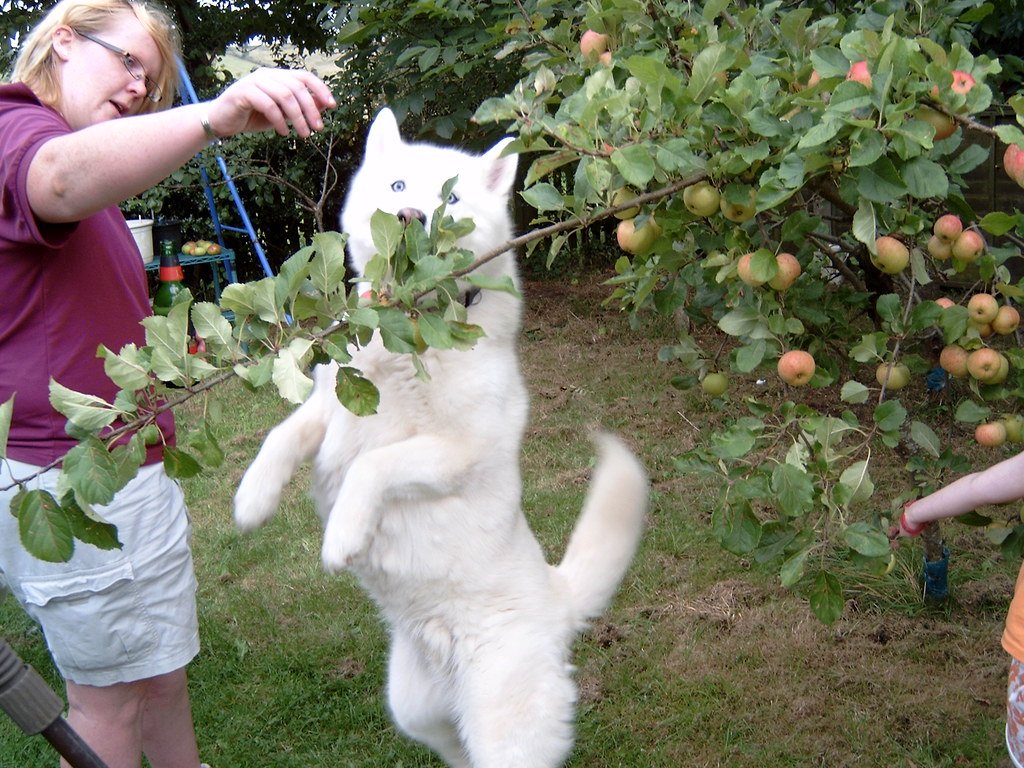
Yes, in moderation. How to prepare apples for dogs, how much to give, why to remove the core and seeds, and when to call your vet.

Grass eating is common and usually normal. Here is what research says, the real risks (lawn chemicals, toxic plants, parasites) and when to call your vet.

How to socialize a shy rescue dog: a calm 4-week plan covering decompression, trust, first people, and short outings — plus the 3-3-3 rule and stress signals.

Walnut shell cat litter is made from crushed walnut shells. See how it compares to clay and corn litter on odor, dust, and clumping — plus safety tips.

Puppy obedience training starts with 7 first commands and short daily sessions. Get a realistic 8-week schedule, session lengths by age, and mistakes to avoid.

Can you put baking soda in cat litter? Yes, in small amounts — about 2–4 tablespoons per box. Learn how it works, the step-by-step method, and the risks.
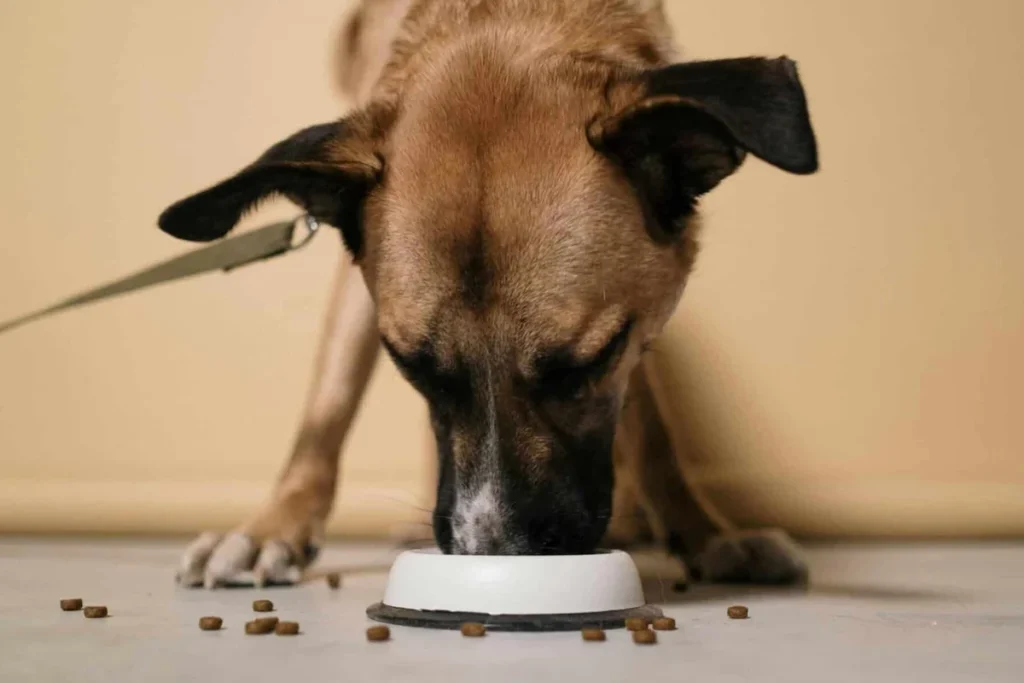
Veterinarians warn most homemade dog food recipes miss key nutrients. Learn the common gaps, toxic foods to avoid, and how to cook safely for your dog.

Why is your cat sleeping in the litter box? Learn when it is normal comfort-seeking in kittens and new cats — and the warning signs that mean a vet visit.