
Quick answer: Acorns are not safe for dogs. They contain tannins that can cause vomiting, diarrhea, and stomach pain, and in larger amounts may damage the kidneys or liver; whole acorns can also cause choking or an intestinal blockage. If your dog ate acorns, call your veterinarian or a pet poison line right away rather than waiting for symptoms.
Every fall, oak trees drop thousands of acorns onto lawns, sidewalks, and trails, and plenty of dogs treat them like free snacks. Here is what makes acorns risky, which signs to watch for, and what to do in the first hour after your dog eats one.
We are not veterinarians. This article is general information based on published veterinary and kennel club guidance, not a substitute for professional advice. If your dog has eaten acorns, contact your vet.
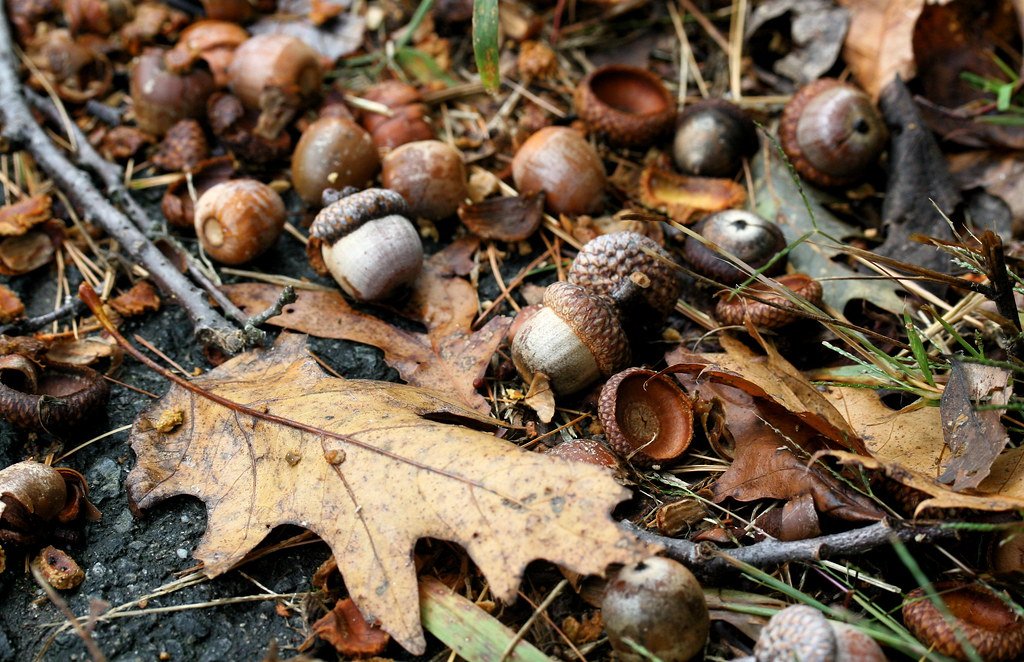
Why are acorns bad for dogs?
Acorns are the nuts of oak trees, and they contain compounds called tannins. The American Kennel Club says tannins are harmful to dogs and can lead to severe stomach upset, kidney failure, and in rare cases death. This is sometimes called acorn or Quercus poisoning, after the botanical name for oaks.
There are three separate risks:
- Toxicity from tannins. Small amounts usually cause stomach upset; larger amounts can make a dog very ill, with possible kidney or liver damage.
- Choking. A whole acorn is a hard, round object that can lodge in the throat.
- Blockage. Acorns and their caps can get stuck in the stomach or intestines, especially in small dogs.
Moldy nuts add another problem. The AKC notes that tree nuts lying on damp ground can grow molds that are toxic to dogs and can cause seizures and other neurological signs.
How many acorns are dangerous?
No one can give you a safe number. The UK Kennel Club explains that tannin levels differ from acorn to acorn, tree to tree, and year to year, so it is impossible to know how many acorns would make a particular dog unwell. The effect also depends on the dog’s size, how many it ate, how well it chewed them, whether it had just eaten, and any existing health problems.
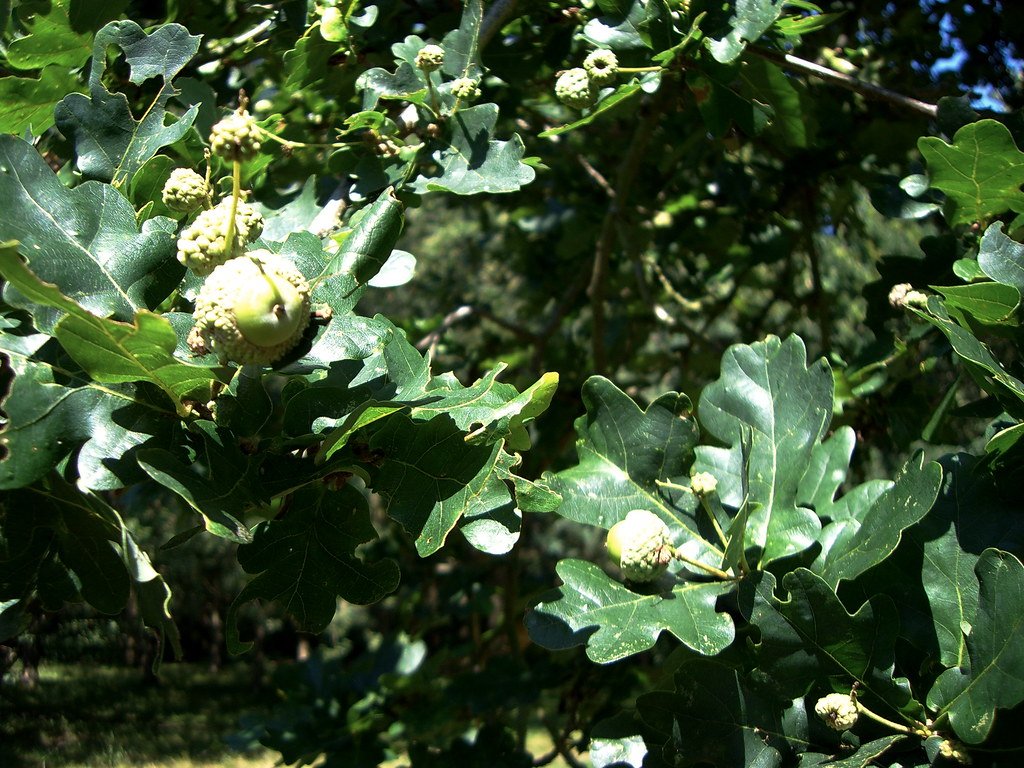
Ripeness matters too. Unripe green acorns contain more tannins than brown, mature ones, according to the Kennel Club, and the AKC says green acorns in autumn, and oak buds and leaves in spring, are particularly dangerous.
Symptoms of acorn poisoning in dogs
Signs can appear within a few hours, though the Kennel Club notes it may take up to a day for effects to show. Watch for:
- Vomiting (sometimes with blood)
- Diarrhea (sometimes with blood)
- Loss of appetite
- Abdominal pain, such as a hunched posture or reluctance to be touched
- Lethargy or unusual tiredness
- Dehydration
- Changes in drinking or urination, which can point to kidney involvement
- Yellowing of the gums, eyes, or skin, or confusion and wobbly walking, which can point to liver involvement
- Tremors or seizures, particularly if the acorns were moldy
Repeated retching without producing anything, a swollen belly, or straining to pass stool can signal a blockage and needs urgent attention.
My dog ate acorns: what to do now
- Take away any remaining acorns and move your dog away from the tree.
- Estimate how many were eaten and note the time, your dog’s weight, and whether the acorns were green, brown, or moldy.
- Call your veterinarian right away. If your clinic is closed, call an emergency vet or the ASPCA Animal Poison Control Center at (888) 426-4435 (a consultation fee may apply).
- Do not make your dog vomit unless a veterinarian specifically tells you to. The AKC advises against inducing vomiting at home.
- Watch closely for 24 to 48 hours and report any new signs to your vet, even if your dog seemed fine at first.
Depending on how many acorns were eaten, your dog’s size, and how they react, the AKC says treatment may include IV fluids, an X-ray to look for a blockage, medication for vomiting, diarrhea, and pain, blood tests to check kidney and liver function, and in some cases surgery.
When to call your vet
Call your veterinarian as soon as you know or suspect your dog ate acorns. The AKC quotes its chief veterinarian advising owners to call right away because delaying treatment can lead to permanent damage. Treat it as an emergency if your dog is vomiting repeatedly, has bloody vomit or diarrhea, seems weak or collapses, has a painful or swollen belly, or has tremors or a seizure.

How to stop your dog from eating acorns
- Keep your dog on a leash during acorn season and steer around oak trees with heavy drops.
- Rake or sweep up acorns in your yard regularly, especially after windy days.
- Teach “leave it” and “drop it.” Both cues are useful for acorns, sticks, and anything else on the ground. Our puppy training schedule by age shows when to start them.
- Keep water bowls away from oak trees so acorns and leaves do not fall in.
- Supervise in the yard rather than leaving a scavenging dog alone near oaks.
- Offer something better to chew, such as a safe chew toy, on walks through wooded areas.
If your dog grazes on all sorts of things outdoors, our guide on why dogs eat grass covers the most common reasons. For fall snacks that are safer, see can dogs eat apples and can dogs eat turkey.
FAQ
Can one acorn hurt a dog?
A single acorn may only cause mild stomach upset in a large dog, but tannin levels vary and a small dog could choke or develop a blockage. Because no safe amount is known, call your vet even after one acorn.
Are acorn caps and oak leaves dangerous too?
Yes. The Kennel Club says tannins are found in the bark, wood, leaves, buds, and acorns of oak trees, and caps can also cause blockages.
How long after eating acorns will a dog get sick?
Signs often start within a few hours, but they can take up to a day to appear. Keep watching your dog for at least 24 to 48 hours.
Are cooked or roasted acorns safe for dogs?
No. Do not feed your dog acorns in any form. There is no nutritional benefit that outweighs the risks.
Pingback: Can Dogs Eat Apples? Safe Parts, Portions and What to Avoid - Pets Of Earth